October 5, 2026 Lumber News
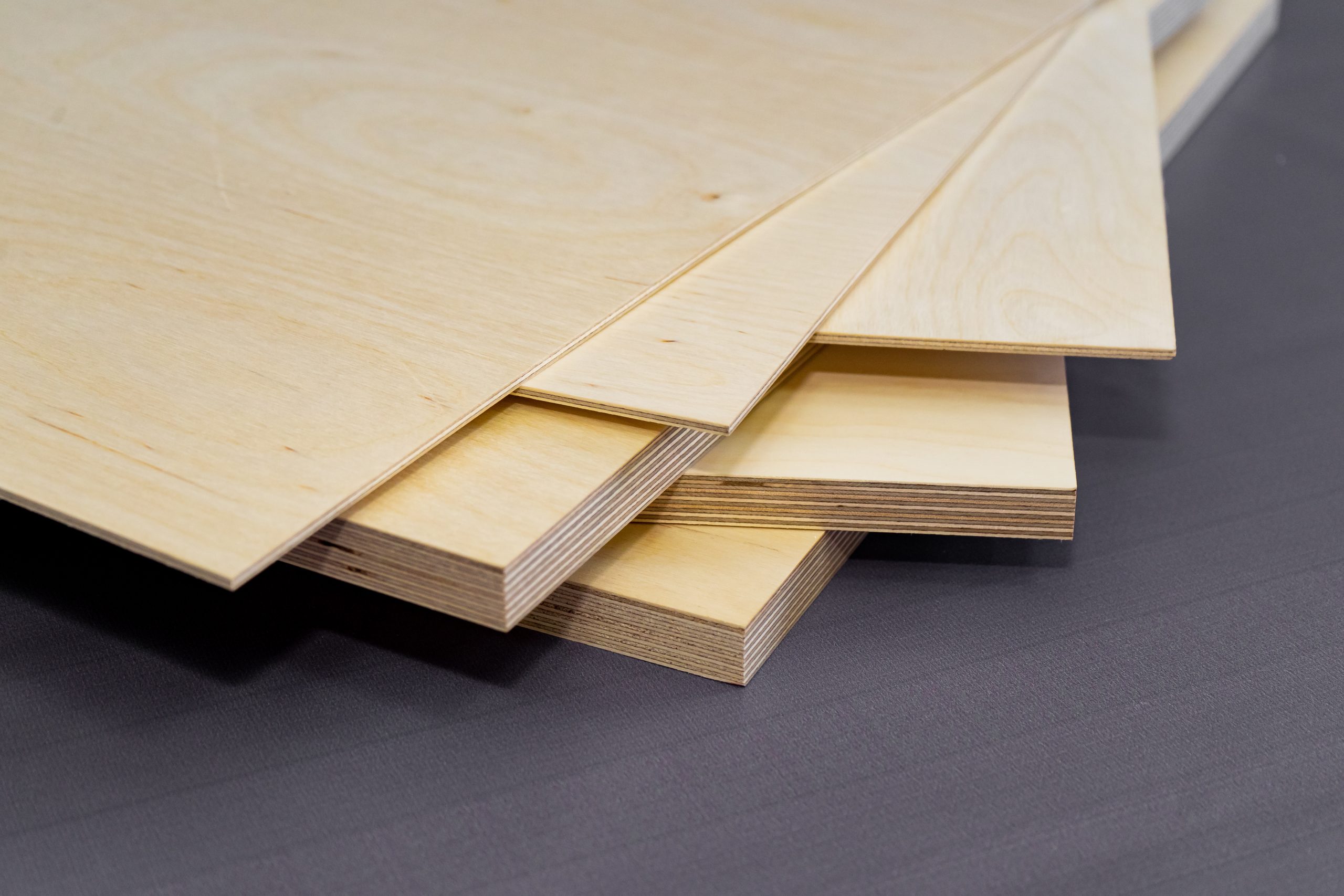
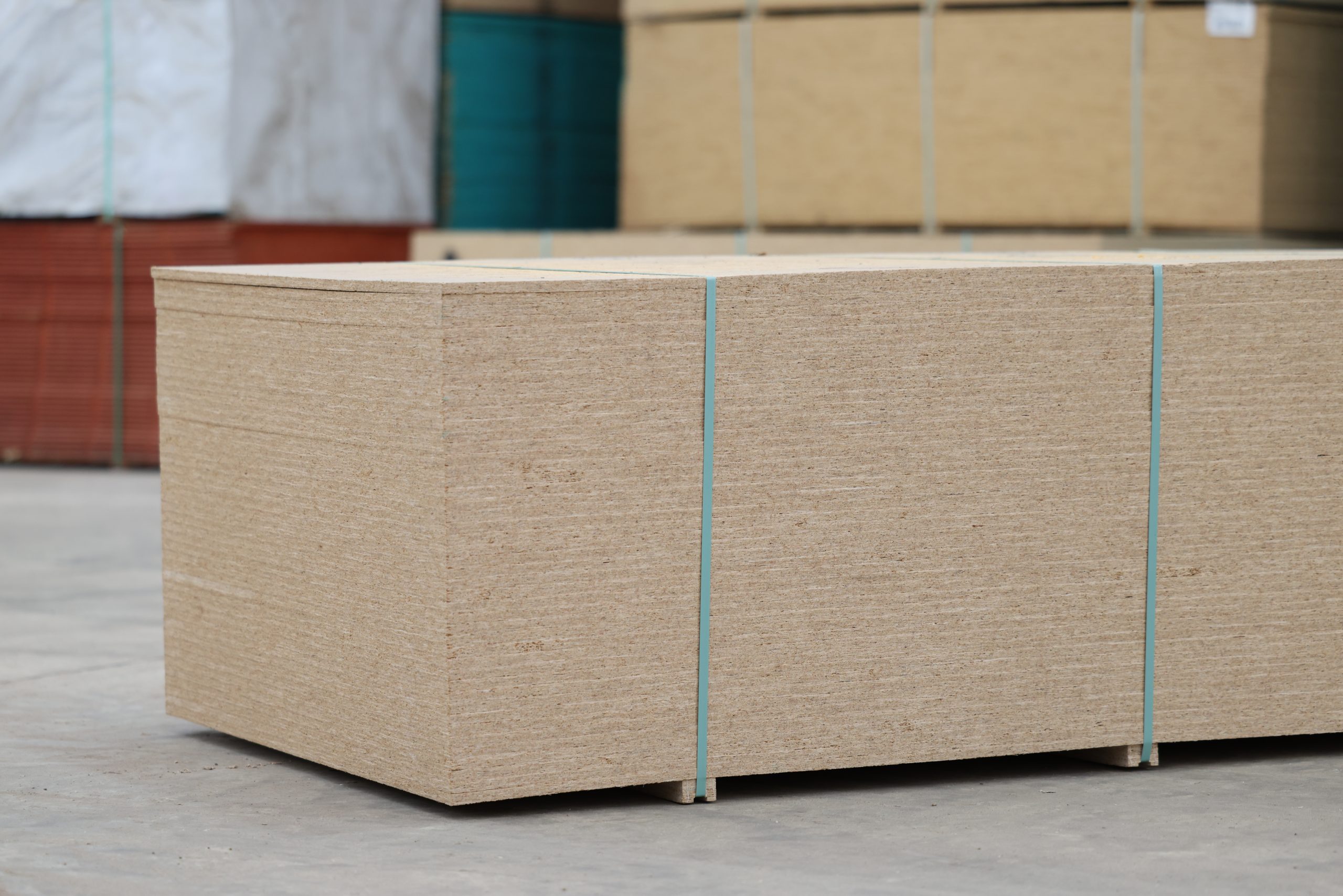
OSB OSB increased another $10/msf this week as inventories continue to tighten in most regions across the nation. SYP #1...

Lumber Notes December, 2025
Welcome to another look at the lumber world!
This year’s celebration of forest products and their importance to the economy, called National Forest Products Week, was held October 19-25. The celebration is meant to remind folks of the importance of forests and trees in our economy and environment. Wood is a renewable resource, so proper forest management and use of wood products go hand in hand.
A presidential message was given on National Forest Products Week (October 20), which we quote from below.
“America’s forests are a source of strength for our economy and a reflection of our Nation’s natural beauty—they provide the abundant resources that sustain jobs, build communities, and enrich our lives. This National Forest Products Week, we recognize the men and women who work every day as stewards of our forests and drivers of American prosperity. This week and throughout my Presidency, we will advance policies that support their efforts and secure the benefits of America’s forests well into the future.
The abundance of our forest products bolsters the national economy by generating hundreds of billions of dollars every year. The forest industry supplies essential materials—from the lumber that builds homes to the resources that make our communities thrive—supporting millions of jobs that provide stability and opportunity for American workers.
…This week, we acknowledge that America’s forests make our country strong—and we renew our pledge to preserve our Nation’s rich resources and bountiful treasures for generations to come.”
We are going to begin with SPF first this month as there were many more happenings worth mentioning in SPF when compared to SYP or OSB.
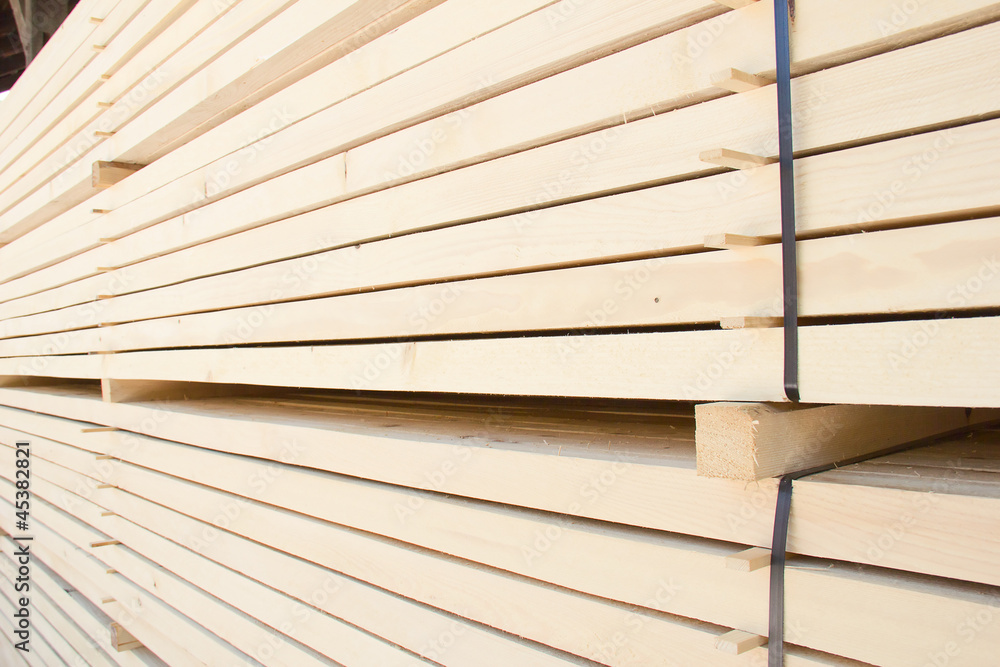
With another month came another tariff on Canadian lumber being imported into the United States; this time adding another 10% beginning October 14th. The announcement alone brought about a small $5/mbf (per thousand board feet) increase in prices as SPF had been on a near two month streak with no price increases.
Through the months of August to September, SPF dropped around $85/mbf; but as mentioned above the tariffs increased prices around $30/mbf through October. By the end of October prices seemed to have already softened as the last week in October prices dropped $5/mbf.
At the end of last year, many traders were anticipating great demand in SPF, especially with the political changes coming with newly elected President Donald Trump coming into office with many promises of changes to tariffs on Canadian lumber. Most thought that these changes would drive up demand as the summer months came; but quite the opposite transpired. Much of the first half of the year volume accepted under contract was enough to cover the entire year. In other words: most of the contracts negotiated for 2025 (at the end of 2024) were for much more volume than what has actually sold. This has left the market supply high enough to not allow prices to sustain any spikes.
As we are now very close to the end of 2025, it seems that the SPF market is not near as volatile as it was at the beginning of the year. The new trend (at least for the past three months) has been increasing around $5 to $10/mbf a week for four to six weeks and then decreasing respectively for four to six weeks. It seems very likely that SPF will hover around the prices it is currently at for at least the rest of the year.
As we have mentioned in other articles, many mills announced large decreases in lumber production for the rest of 2025. We have heard no talks of this prolonging into 2026; but if demand does not pick up it is likely that mills have no choice but to keep production low until the demand is truly there.
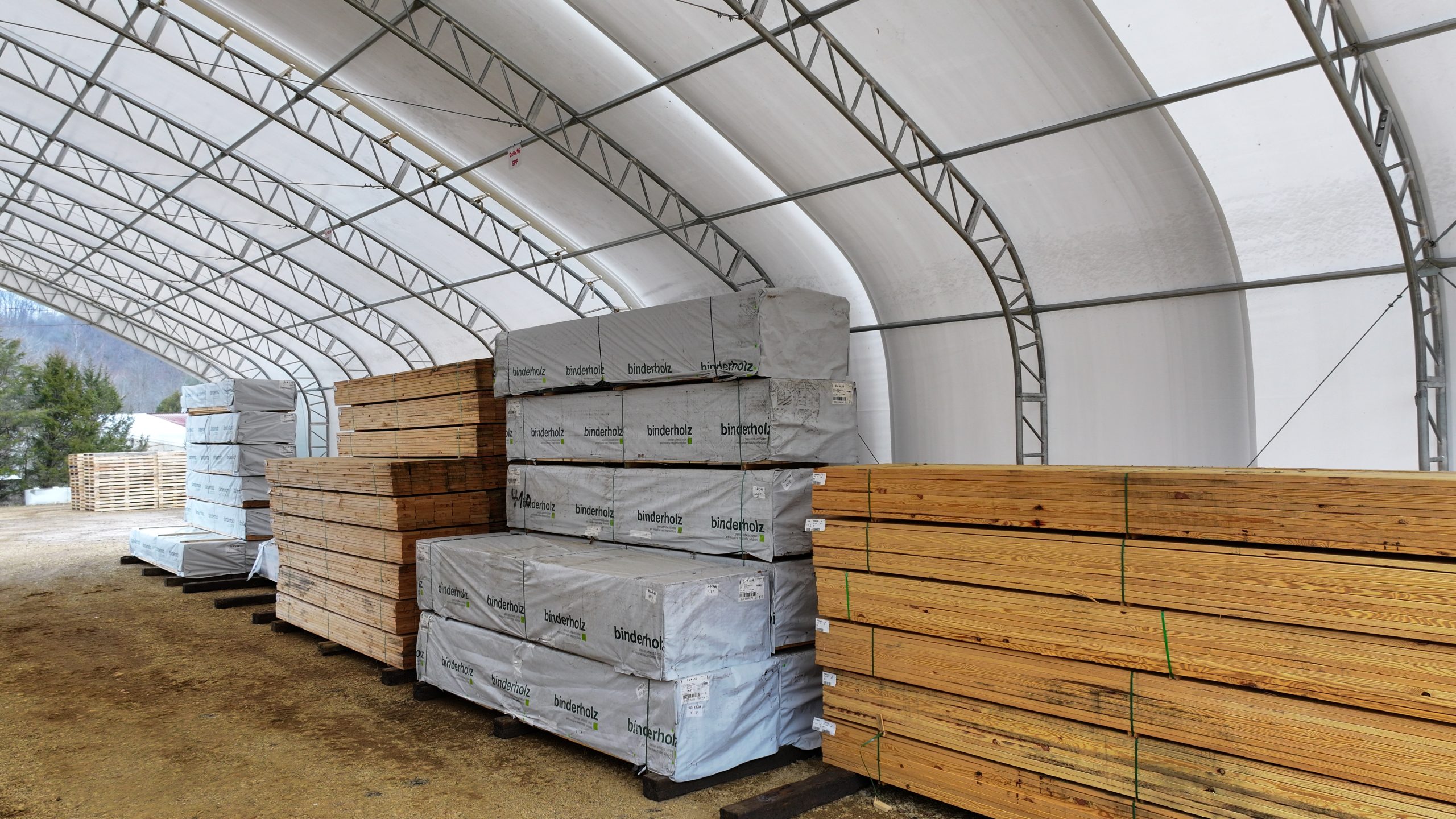
There may have been some ripples from the Canadian tariff felt in SYP prices, but SYP seemingly stayed on the same trajectory it had been on with small increases across nearly all dimensions.
Since July, there had only been one week where prices moved more than $10/mbf up or down. The lowest average price in the last year came in September. It seemed that many capitalized on the exceptionally low prices and stocked up as much as possible, yet this did not bring enough demand to drastically drive up prices. It did lend to eight weeks straight of price increases, although none were over $6/mbf.
Low grade material followed the same trend as discussed above but supply did seem to tighten in October. It seems that many buyers formerly using SPF are switching to SYP as the price gap between the two continues to grow.
OSB was slow to react to the tariffs but by the second week of October, for the first week in over three months, we finally saw signs of life in the OSB market as prices rose around $0.50 per sheet. We were still seeing many deals hovering around the $8.32 to $9.28 per sheet range for 7/16”. Subfloor supply was tightening as well.
Although we did finally see signs of life in the OSB prices the second week of October, mills were still anxious to take offers to keep moving material. Many mills were preferring to move straight truck loads (of one dimension) which was lending to less deals to be had on mixed trucks.
Very large volumes of OSB were recorded being sold in the third week of October which helped to get prices to trend up as we headed into November. Many of the buys though were still sold at nearly the same rate that OSB had maintained this summer.
At the end of October, many thought that OSB was on the up and up, signaled by the mere $0.16 per sheet increase at the beginning of October. Instead, the last week was another week with no price changes, just like the two weeks prior. Mills were still very anxious to move material and were very open to offers. All in all, we were seeing prices just the same as they had been two months ago.
Pallet producers are concerned about the supply of hardwood cants over the winter, and whether that supply will remain steady. As long as railroad ties remain steady, pallet cants will also. But if railroad ties take a nosedive cants will follow. This market, like the others, is dependent on the overall economy (including housing). If the tariffs level out and the economy takes off (like it easily could) with dropping interest rates then there would suddenly be a lot of demand for pallet cants.
The average hardwood cant composite price for the month of October was $566/mbf.
Railroad ties are a cyclical business, and they have been experiencing an upswing longer than is typical. Railroad ties have been keeping hardwood sawmills busy like nothing else has. If the price were to drop hardwood mills would struggle to stay afloat.
The industry has remained steady and buyers continue to buy for maintenance needs.
U.S. Kitchen cabinet makers have reason to hope for a boost in their industry as Trump’s 25% tariffs on imported cabinets and vanities took effect on October 14. In January of 2026 the tariff rate will increase to 50% for cabinets and vanities and 30% for furniture. These new tariffs are on top of existing duties such as countervailing, antidumping, transshipment and other types of tariffs. Cheap imports from other countries have been hurting American cabinet makers, as shown by the fact that these cheap imports took more than $4 billion in market share from American companies in 2022.
Walnut accounted for just over 27% of total hardwood exports (Jan. through July of this year), while Red Oak comes in a close second, accounting for just over 21% of total exports. Following the top two, White Oak, Maple, and Ash account for 16%, 14%, and 10% respectively (percentages rounded). What kind of volume are we talking about here in board feet? About 320,000,000 (320 million) board feet of Red Oak (MMBF), 260 MMBF of White Oak, and about 60 MMBF of Ash, to give an idea.
Crane mat lumber has been exceptionally steady this year. The last number of years demand has been erratic. Crane mats, also referred to as board road, are used for oil exploration, commercial construction projects etc.. If demand for this is steady that is a good sign for the economy over all since they are used across so many industries.
Wooden pallet producers are the largest customer for hardwood sawmills. The railroad cross tie industry purchased an annual rate of about 920 MMBF or million board feet. This industry has been the most consistent consumer of hardwood material. Grade lumber markets are important to hardwood sawmills too but are not doing as well.
In the last week of October the Federal Reserve dropped the interest rate a quarter of a percent, and they are set to lower it again in December, which is good news for the housing market.
From Q2 (second quarter) 2020 through Q2 2025, US Personal income rose by over 25% and personal consumption expenditures rose by over 58%. In other words these figures have increased within the last five years. The US GDP (Gross Domestic Product) rose by nearly 4% in the third quarter of this year. The GDP is a measurement of total output across all industries and so it indicates the direction of the overall economy.
Our team at Lumber Link collaborated to share Lumber Notes with you. We enjoy providing mill direct savings to volume lumber users. You can reach us at 606-547-4455 or [email protected]