October 5, 2026 Lumber News
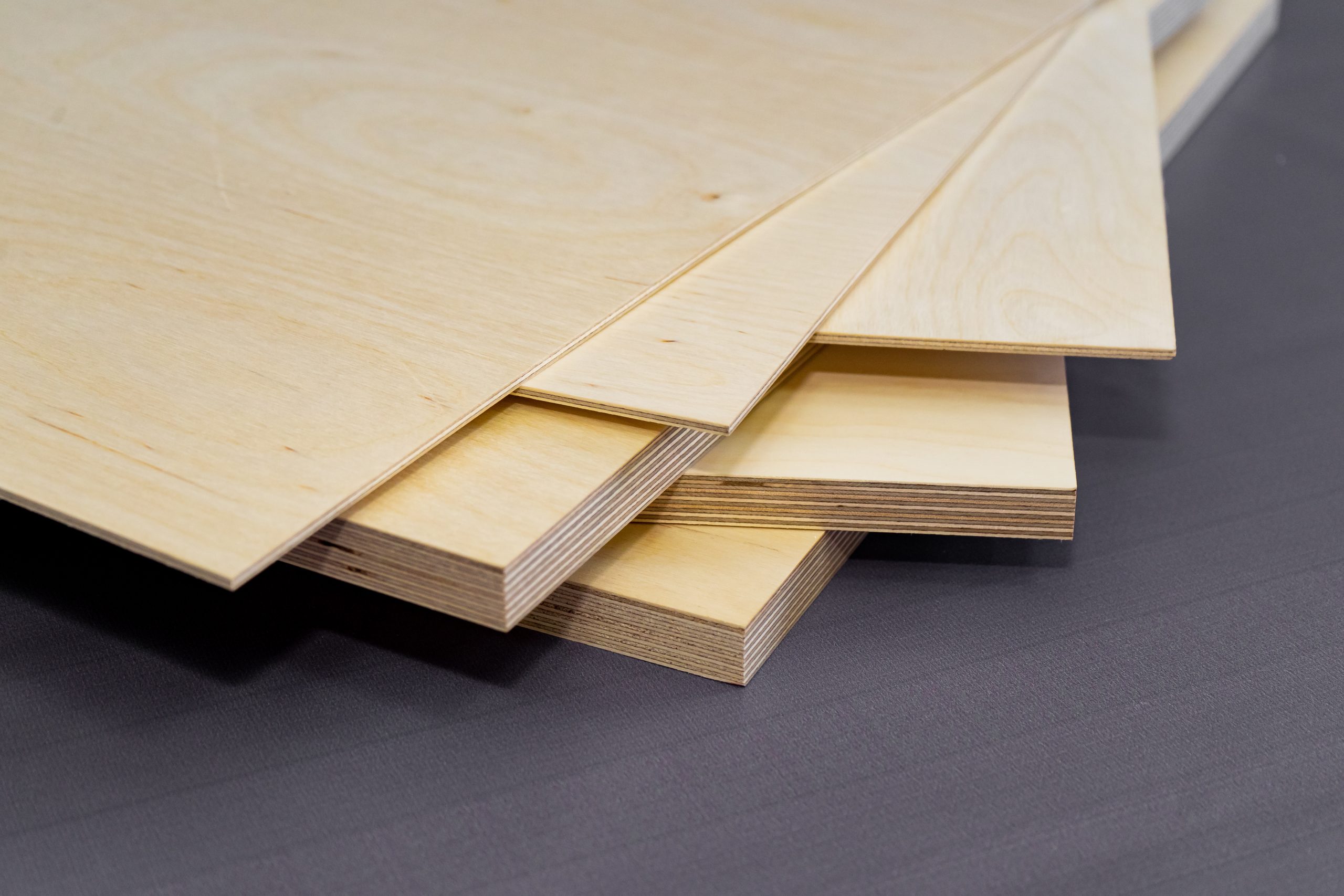
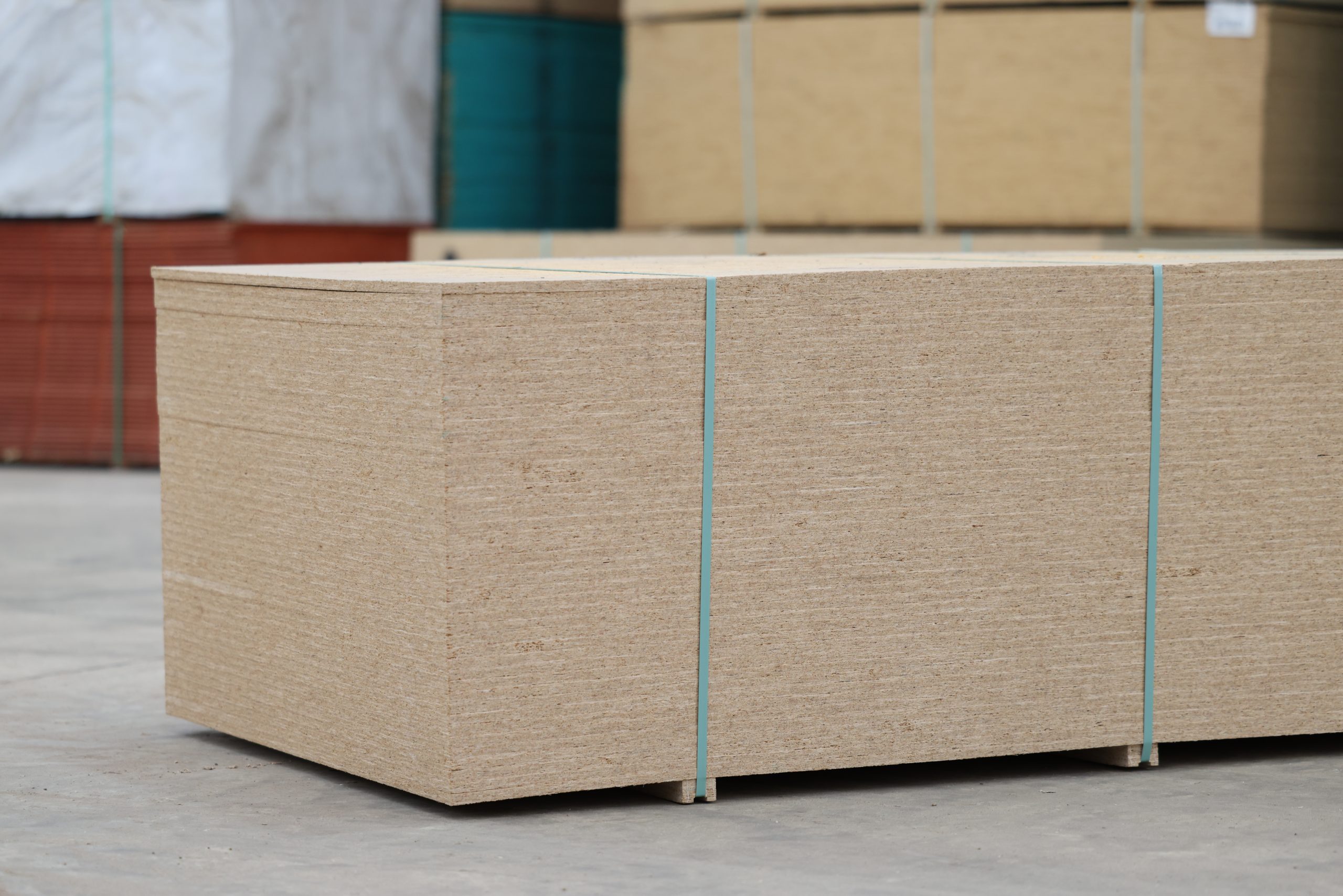
OSB OSB increased another $10/msf this week as inventories continue to tighten in most regions across the nation. SYP #1...

Lumber Notes January, 2026
Welcome to another look at the lumber world!
What country besides Canada does the US import the most lumber from?
After Canada, more lumber is imported into the US from Brazil than any other country, with Germany taking third place and Indonesia fourth. In 2025 about 17.8 million board feet was imported from Brazil, followed by 14.5 million from Germany and 9.05 million from Indonesia. If we see that the total amount of lumber imported into the US (besides Canada) was over 95 million board feet, then we see that Brazil accounted for 19% of total imports, Germany 15%, and Indonesia 9%.
How much tropical lumber is imported into the US? Roughly half the amount as lumber from the three countries mentioned above, at nearly 46 million board feet. Here’s a quiz: which of these tropical hardwoods sees the most volume imported into the US – Ipé, Teak, Genuine Mahogany, or Sapele? If you guessed Sapele, you are correct. 2025 saw approximately 7.3 million board feet of Sapele imported into the US. Compare that with Ipé, which saw nearly 3 million board feet imported into the US, or Teak, which saw 1.2 million board feet imported. That means that Sapele accounts for about 16% of total imported tropical species, while Ipé accounts for 6% and Teak, 2.5%.
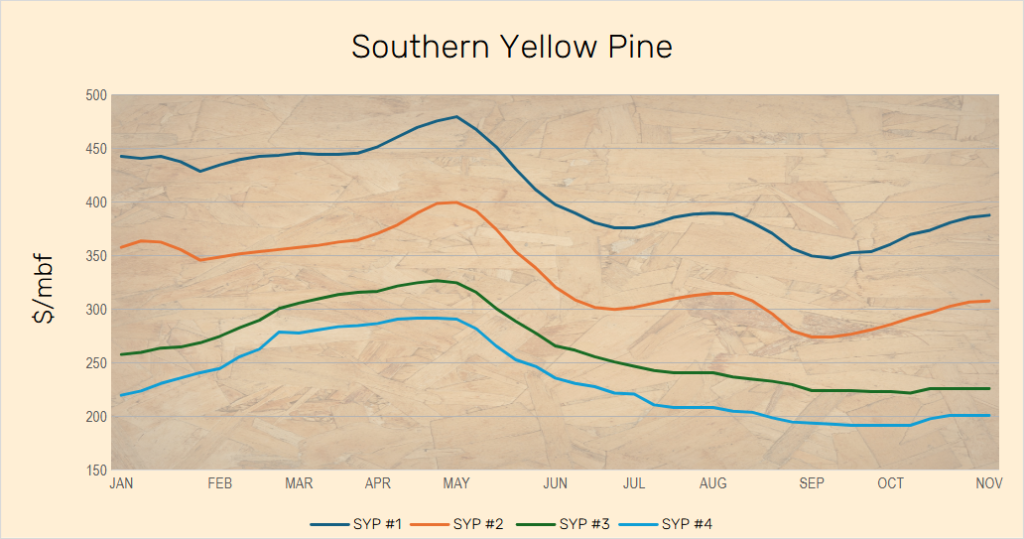
As we can see from the chart, all grades were rising slowly through March, peaked in May/June, and then suddenly plunged, rising slightly again in October and November. Any buys after the month of July have aided in bringing average costs down as many buyers have tried to maintain relatively high inventory levels due to prices being low.
An interesting news item for this month is that many buyers of southern pine are reducing the amount of lumber they will be purchasing through contracts for 2026, preferring the open market. This is at least partly due to the fact that demand for SYP proved to be much weaker in 2025 than was anticipated at the beginning of the year. And since there should be abundant supplies in the open market this year it makes sense to lower contract numbers. This will result in the southern pine market being more volatile since there will be more players in the market. It could be like one hundred people showing up at an auction where there had only been fifty bidders previously, and suddenly the bidding picks up.
It will be interesting to see if more buyers moving away from contracts and into the open market will become the new normal over the next five to ten years. At first glance, especially if you are a buyer already in the open market, this may seem like bad news (after all, if you are wanting to purchase an item at an auction, the less people there are the better); but there is a positive side to this for the lumber market, from a higher level, in that mills will likely see more “life” in the market in 2026 which could bring urgency to the end users in construction as well.
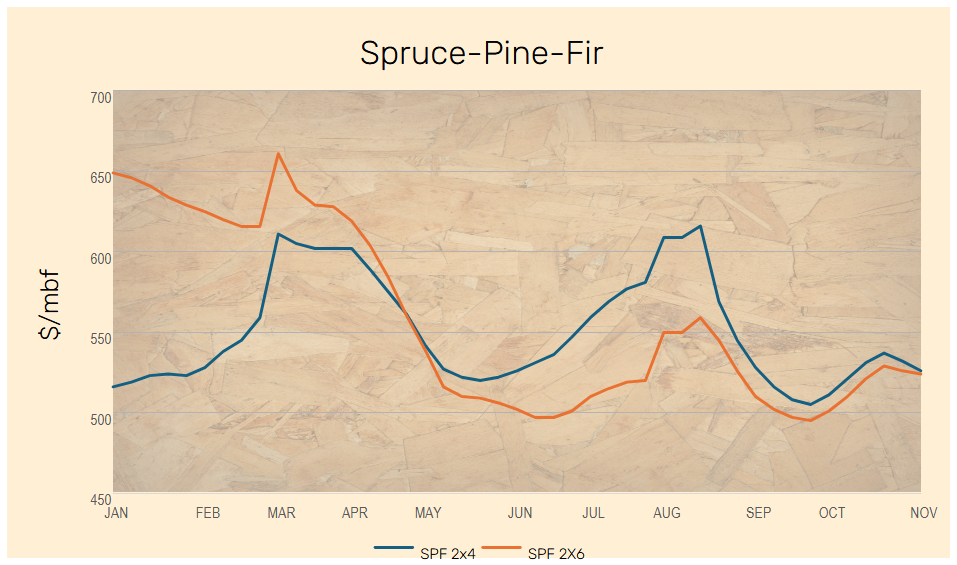
Looking at this chart we can see that 2x6s and 2x4s started out the year about $120/mbf (per thousand board feet) apart, with 2x6s being the higher dimension. Then in March they nearly came together at about $620/mbf, but then 2x6s shot up and 2x4s came down. It is interesting to see that 2x4s passed 2x6s in May as far as price per thousand board feet, and that they came together in November at about $525/mbf.
Since 60% of Canada’s softwood lumber is sent to the United States, they have been very dependent on US markets up until recently, when tariffs from the Trump administration cut into the US market. The 10% tariff imposed on Canadian lumber in October (on top of the 35% combined duties), brought the combined duties to over 45%. They will have a long uphill climb as they pivot away from the US market, which is the direction they are heading. Much of the fluctuation was due to the unusual year that the Canadian lumber market had with tariffs from the Trump administration and mill production cut backs to name a couple. Both factors will have far reaching effects into the future.
Overall production of OSB in the first three quarters of 2025 was down nearly a half percent from the same time frame of 2024. What kind of volume are we talking about? Just over 11 billion square feet (bsf) or 531,250,000 sheets (on a 3/8” basis). In terms of load quantities, this is approximately 590,278 tractor-trailer loads of 3/8” OSB.
The average price for OSB in November (across all dimensions) was about $7.40 per sheet, which is much lower (roughly half) than November’s average for 2024, which was about $13.25!
Loads of 7/16” in the South reportedly hit a low of just over $5.00 a sheet (at the mill).
The most wild swings in prices in 2025 came in January, when OSB across all thicknesses saw a $2.88 per sheet drop. April through early June saw prices drop $3.36 a sheet again across all dimensions. In October we saw a small gain of nearly $0.75 per sheet. Otherwise OSB prices were very flat with little movement for much of 2025.
Why has OSB been so low with such little price fluctuation in 2025? Myriad factors play into this, but there have been several worth mentioning. High interest rates and a slow housing market are part of the reason. Fading furniture production is also contributing to weak demand. The government shutdown didn’t boost trader’s confidence in the market either but many have been and continue to be surprised by how long OSB is staying low.
There are about two billion (2,000,000,000) pallets in service on any given day in the US, and about 90% of all goods touch a pallet at some point in their life cycle. Over the last two (plus) years, US pallet consumption has oscillated between 80 and 90 million pallets per month. We wouldn’t say the pallet market has been strong, but it has been steady with little changes.
According to one estimate, the US pallet industry consumed about 1.90 bbf (billion board feet) of hardwood lumber (annualized estimate). That means that the pallet market accounts for almost 35% of all hardwood consumption. However, this figure is way down from what it used to be. Hardwood consumption by the pallet industry has dropped over 57% from 1999 to 2025. This is at least partly due to the fact that the softwood industry has taken much of the market. Softwood lumber accounts for about 70% of the US pallet market.
But it also follows a decline in overall hardwood lumber production over the same period. Total hardwood production in 1999 was over 12.5 bbf, and now has dropped to an annualized rate of just over 4 bbf. What do we mean by “annualized rate”? Averages and tallies may be counted in the middle of a given year, so an annualized rate takes those numbers and projects them through the end of that year, even though the year isn’t over yet.
So hardwood production has dropped over 67% which is greater than the 57% drop in pallet consumption. Which is to say that decline in production has outran decline in consumption by the pallet industry. More on this in the hardwood section.
The railroad tie market has overall been steady though not strong in January through August of 2025. However, demand picked up in September and October to a better level than it had been. The economy was generally tougher in 2025, yet tie purchases have mostly held steady. There have been some positive forces driving railroad activity which is helping the tie industry. Transporting coal to power data centers, mining cryptocurrency, and construction of new manufacturing plants to name a few.
Experimentation with non-wood composite materials for ties continues, but some experts believe that wood ties will continue to have over 90% of the market.
So back to what we were discussing about the decrease of hardwood production. The main drivers of grade hardwood lumber are cabinets, residential flooring, truck trailer flooring, furniture, moulding/millwork, and export markets. These markets have experienced pushback over the last twenty years from cheap foreign products and non-wood lookalikes made with synthetic materials. So since the main consumers of hardwood lumber have lost market share to these competitors, there are less profitable outlets for hardwood sawmills which results in less lumber production.
We said earlier that the pallet market accounts for almost 35% of all hardwood consumption. When we look only at industrial hardwood consumption, which includes pallets, board road and railroad ties, we find that pallets consume over 60% compared to nearly 30% for railroad ties and nearly 10% for board road.
Crane mat lumber seems to be doing well especially as construction begins on massive data centers around the country, as well as construction of other manufacturing facilities.
Remember the new Section 232 tariffs which we mentioned last month? The implementation of the tariffs began on October 14th and includes 10% tariffs on imported softwood lumber and 25% duties on upholstered furniture, bathroom vanities and imported kitchen cabinets. January 1st of 2026 the tariff rate will increase to 50% for cabinets and vanities and 30% for furniture. These new tariffs are on top of existing duties such as countervailing, antidumping, transshipment and other types of tariffs.
Some American kitchen cabinet companies are hoping that these tariffs will boost US industry, while critics point to inflation and rising costs as reason to stop the tariffs. Time will certainly help reveal if these tariffs will be effective.
The National Association of Realtors’ Housing Affordability index (HAI) compares mortgage rates with the average price of existing single-family homes to rate housing affordability, which has been improving over the last several months. For example, the average price of single-family homes dropped to $420,700 (in September 2025) from $438,600 (in June 2025), while the mortgage rate closed at 6.43% in September which was the lowest since September of 2024. This reduction of prices and interest rates has improved housing sales.
According to this HAI index, builder confidence was 37 for new construction of single-family homes in October of 2025, which is 5 points higher than September and the highest score since April of the same year.
The Trump administration is considering making assumable and portable mortgages available to assist with affordability challenges. Portable mortgages allow homeowners to transfer their existing mortgages (including the rates and terms) to a new residential property. This could help borrowers save on interest and avoid penalties. It is not available in the US currently but some other countries allow it such as Canada and the UK. Assumable mortgages allow the homebuyer to take over the seller’s existing mortgage, including all the same terms.